Sound has always been more than background noise. Long before screens dominated attention, audio shaped opinions, emotions, and decisions. From radio jingles echoing through living rooms and cars to targeted messages delivered in podcasts and music players, audio has quietly emained one of the most effective tools in advertising.
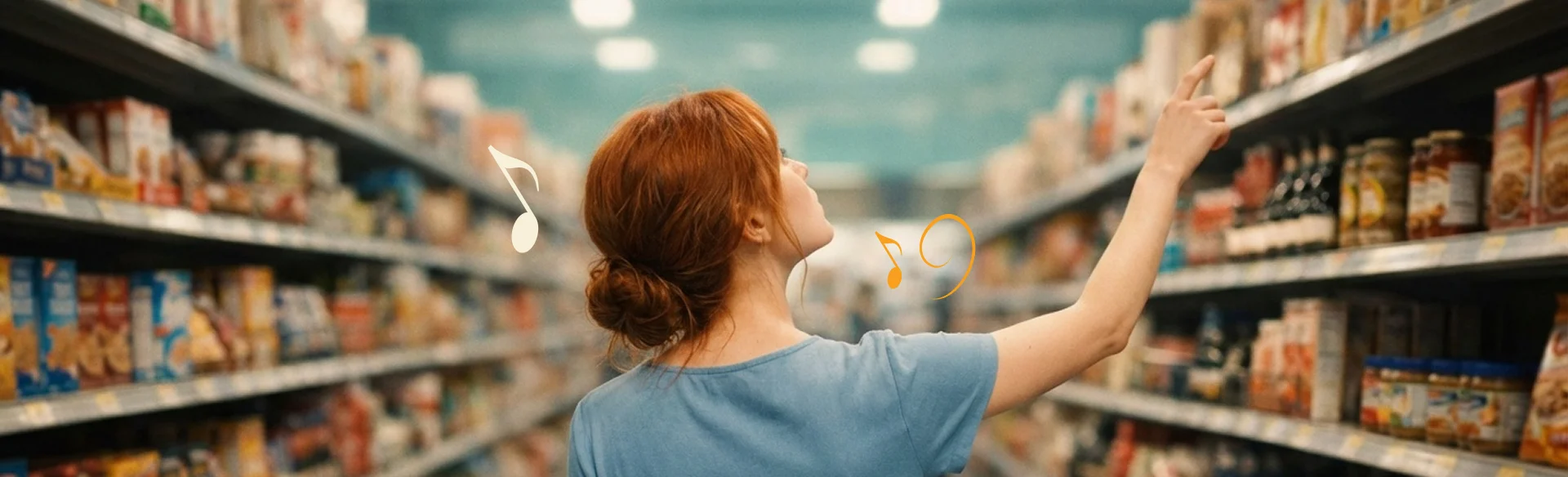
As supermarkets and department stores expanded, retailers began experimenting with sound inside physical spaces. At first, it was simple background music—meant to influence mood and pace. Studies soon showed that tempo, genre, and volume affected how long shoppers stayed and how much they spent.
Then came announcements:
Promotions
Product reminders
Seasonal messaging
For the first time, advertising entered the exact moment of purchase, not before or after, but during the decision itself.
These early in-store audio systems were primitive, but the insight was profound: Sound could guide behavior in real time.
Well, many years have passed but in-store audio didn’t change that much.
Until now.
Before we continue talking about in-store audio let’s go back to some other things that didn’t change much until at some point they did.
How about Podcasts?
It started as something for amateurs, a niche, “radio for people without real platforms” with Poor production quality. Now it’s a
Billion-dollar industry, Hosted by presidents, CEOs, top journalists, and celebrities.
What changed: Smartphones, long-form content demand and trust shift.
Freelancing / Gig Work?
Used to be considered as something for people that “Couldn’t get a real job”, Unstable, low prestige. Now it’s Aspirational lifestyle (freedom, remote work). Done by highly paid consultants, designers, engineers. What changed: Internet platforms, work-life values shift.
There are many other examples of things that went through a dramatic change since they were introduced due to environment changes, Quality improvements, New tech, adoption by a new generation etc.
Same in ad tech.
When TV Commercials were introduced (1950s–60s) it was considered crude, interruptive. Advertisers were skeptical about whether people would pay attention. Radio was still seen as more “serious”. Now it is Premium brand channel (look at the prices of the Superbawl ads). It’s a core part of brand-building strategies.
What about Social Media Ads (especially Facebook & Instagram)? At the beginning it had very low trust, “Ads for scams and dropshipping”, Brand-unsafe perception. Now: Core performance marketing engine, Used by the world’s largest brands, Sophisticated targeting, measurement, creative testing.
Influencer Marketing?
From “Not real advertising”, Unregulated, shady disclosures, Questionable credibility into a Multi-billion-dollar industry, Managed by agencies, contracts, analytics, Often outperforms traditional ndorsements.
YouTube Pre-Roll Ads?
From Universally hated, “Skip as fast as possible”, Poor brand recall
assumptions into Core video advertising channel, Strong completion and
recall metrics when done right, Used heavily for storytelling and
launches.
Retail Media?
From “Shopper annoyance”, Considered clutter or noise, Retailers afraid of harming experience into the Fastest-growing ad category globally, Core profit driver for retailers, Advertisers value moment-of-truth proximity.
So what is common to all of these examples? What is the Meta-Pattern in Advertising
Every “bad reputation” channel becomes premium when:
Measurement improves
Creative quality improves
Context becomes smarter
It moves closer to intent or emotion
Big brands validate it
This is exactly what is starting to happen with in-store audio!
“In-store audio today is where digital video was 15 years ago and podcasts were 8 years ago.”
Yes. In-store audio was always at the best spot for influencing the shopper (in the zero moment of truth when they are in the store making their decision) but now It has reached the tech tipping point that was needed to take it to the next level.
It’s no longer “dumb” as it used to be.
Brands can now buy in-store ad spots just like they buy Facebook ads — through a dashboard, in real-time, based on triggers like the weather (e.g., “play the soup ad because it’s raining outside”).
They can now measure the in-store ad performance like they do with online retail media ads. The data of how many people listened to the ads and purchased is there. No cookies and no privacy issues.
They can create audio ads in seconds with a simple prompt. the right announcement and announcer, music background and sound effects. It sounds good!
These 3 things – Measurement, ease of creation, Real time and programmatic, can turn it into the best performing media out there!
About Jukee
With the help of AI, Jukee transforms store audio into a high-impact, programmatic, brand-safe, measurable media channel that influences choice in real time – without disrupting the shopping experience
